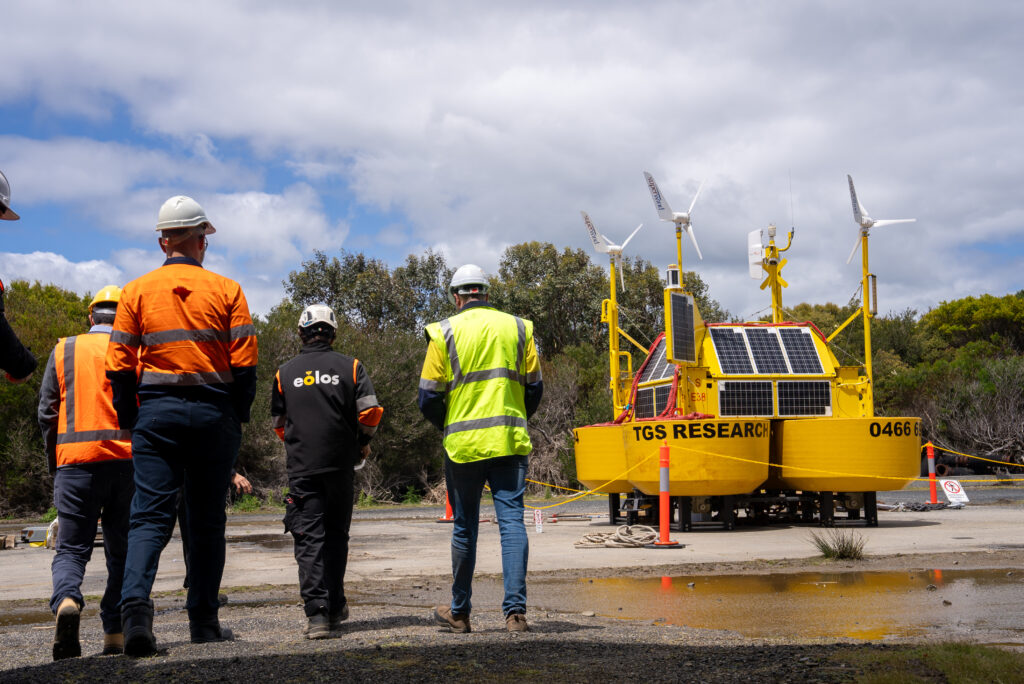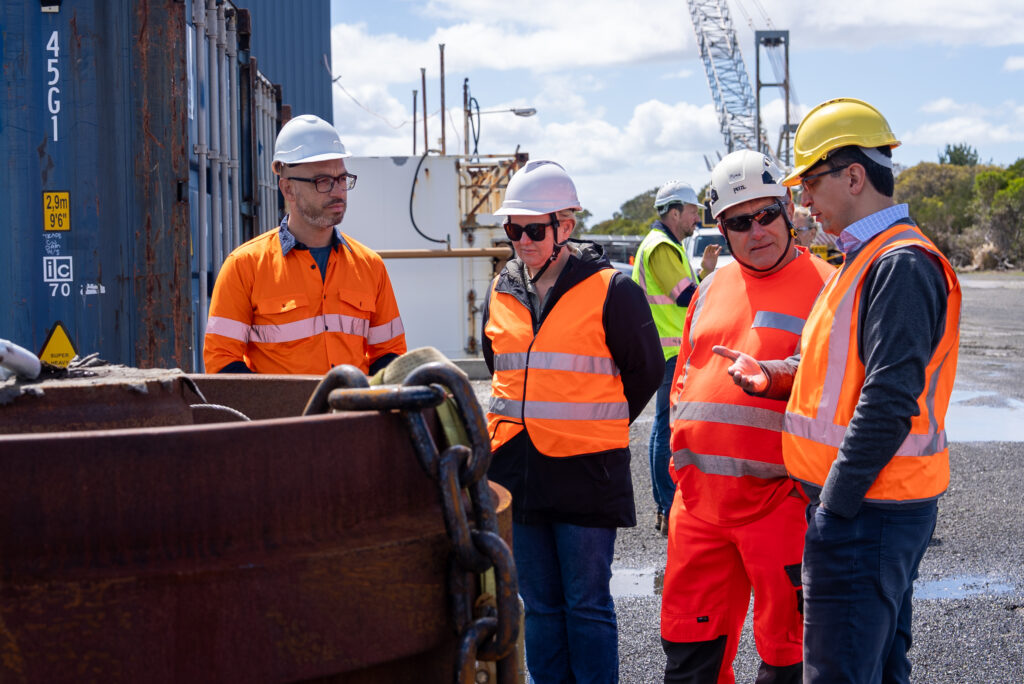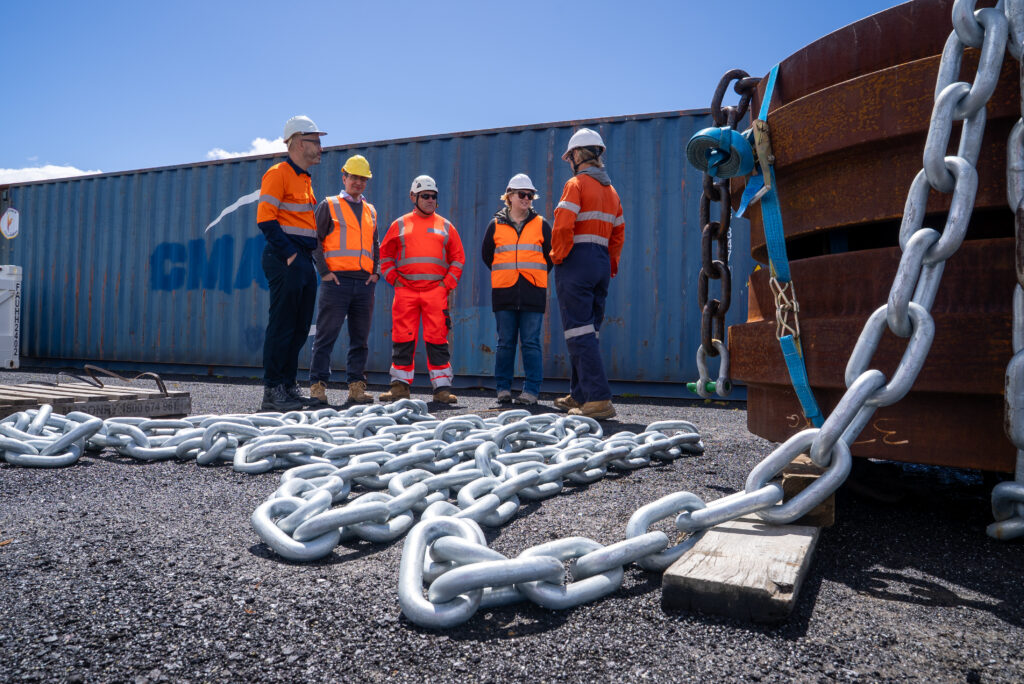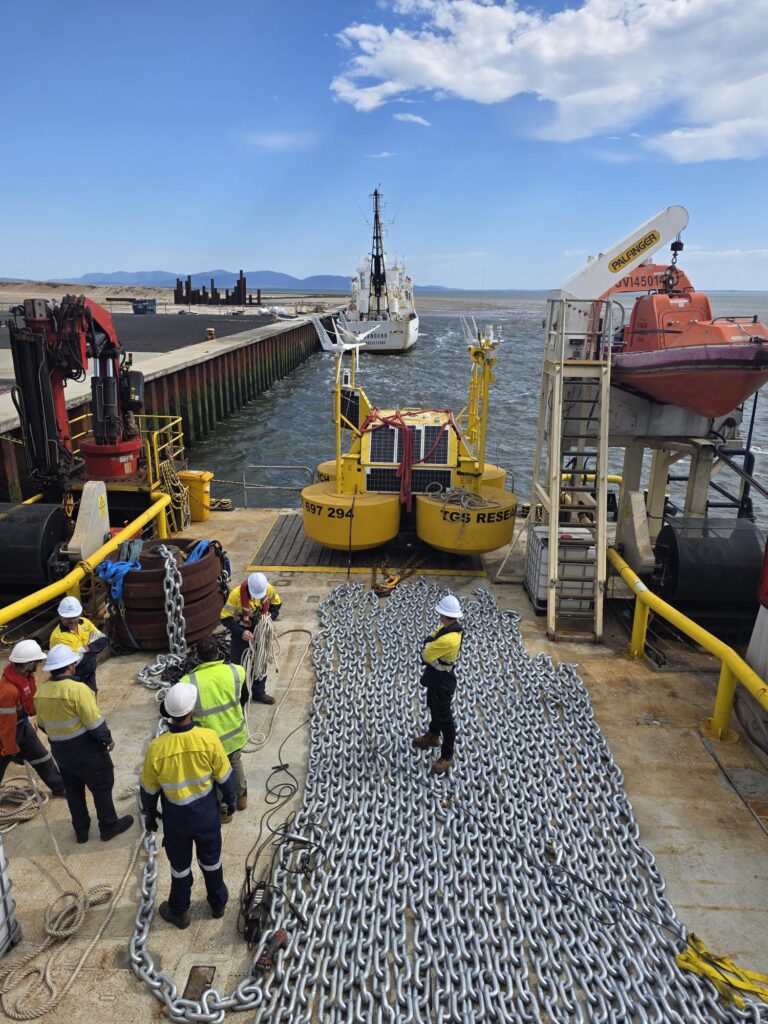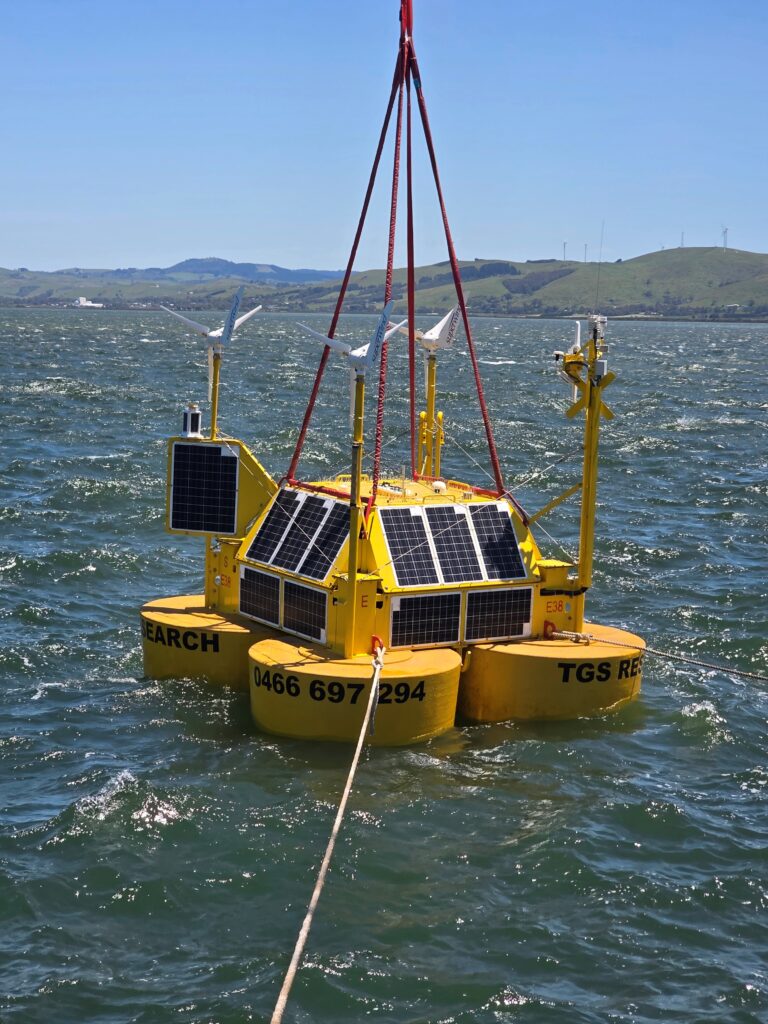
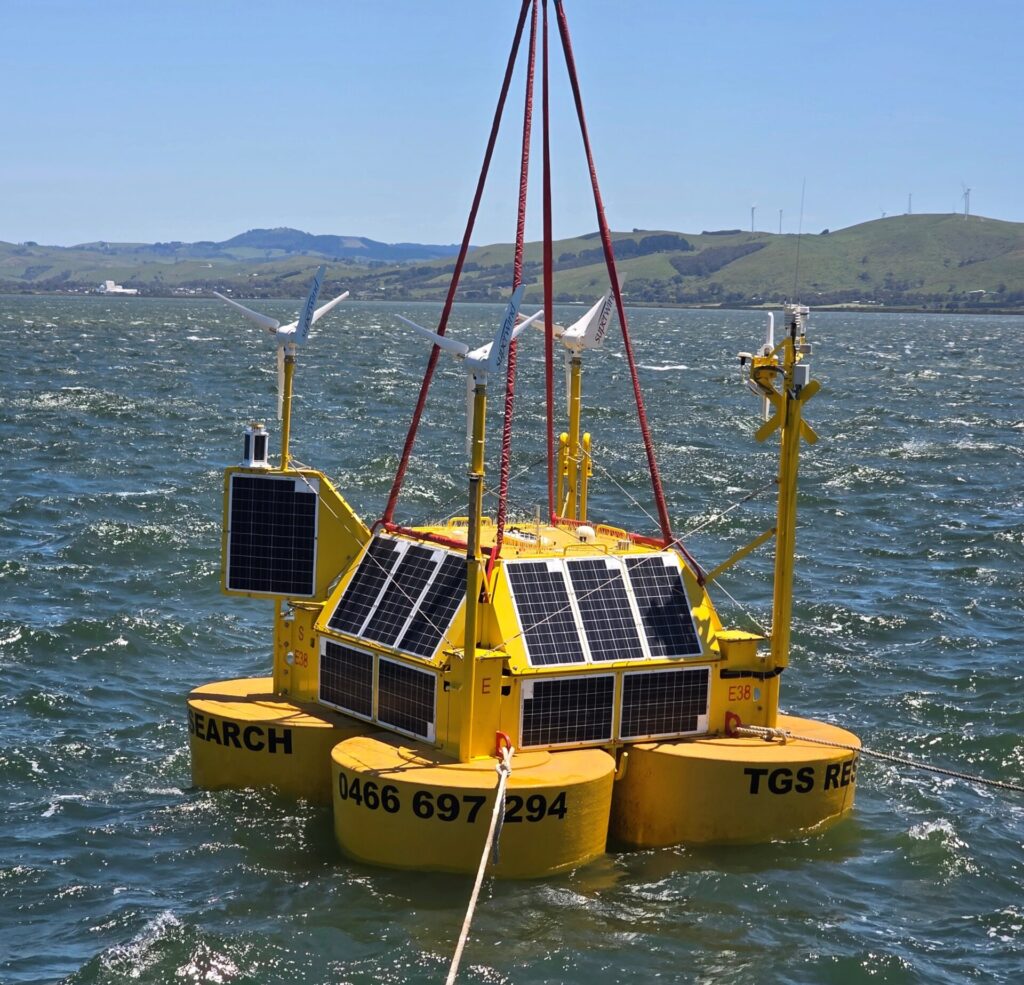
- Ocean Winds has launched its first Australian offshore wind and metocean campaign to collect reliable data in the field, for its High Sea Wind project in Gippsland.
- This campaign, conducted with TGS, centres on innovation, collaboration, and data-driven insights to guide project design and strengthen community confidence.
18 December 2025- Melbourne, Australia. Ocean Winds (OW), the international company dedicated to offshore wind energy, has launched its first offshore wind and metocean measurement campaign for its High Sea Wind project in Gippsland, Victoria; working with TGS, a leading global provider of energy data and intelligence
The campaign will collect high-quality wind, wave, current, and environmental data in the High Sea Wind feasibility licence area using an EOLOS floating LiDAR buoy equipped with advanced sensors. All data will be rigorously quality-controlled and delivered daily, ensuring transparency and reliability for project partners and stakeholders. The resulting dataset will be critical to informing turbine selection, project design, environmental assessments, and grid planning.
By providing accurate information on Gippsland’s offshore environment, this campaign also aims to strengthen trust with local communities, industry partners, and policymakers. The High Sea Wind project will leverage these insights to grow the regional supply chain, open new opportunities for local businesses, and contribute to Australia’s shift toward clean energy.
Pelayo Rodriguez Alonso, Head of Business Development APAC for Ocean Winds, said: “At Ocean Winds, we believe robust data is the foundation of responsible offshore wind development. Through High Sea Wind, we are committed to delivering insights that empower communities, inform investment, and accelerate Australia’s journey toward a sustainable energy future.”
The initiative reflects Ocean Winds’ commitment to offshore wind in the country, recognizing energy intelligence as a vital component of the project’s success.
Through the 1.3 GW High Sea Wind project, enough electricity will be generated to power one million Victorian households annually, while preventing up to 5.3 million tons of CO₂ emissions each year.